
Friday Speaker Series
Spring 2026
An ongoing series of discussions with Yale faculty and visiting speakers on timely and timeless questions.
Eva Brann’s Liberal Learning
Daniel Schillinger | 12–1.30pm, January 30
Eva Brann was a supremely thoughtful defender and practitioner of liberal learning. She not only served as a tutor at St. John's College, Annapolis for over six decades, during which time she shaped the institution, but she also reflected, repeatedly, on her own activities as an inquirer. Her essay, "The American College as the Place for Liberal Learning," is one such reflection. Questions raised by Brann include: What is the spirit of liberal learning, and what is its proper end? How can colleges resist illiberal demands for utility, relevance, specialization, or professionalization? Why does liberal learning happen in certain places—the seminar room and the small college? Altogether, how should lovers of liberal learning think and speak about what they do?
Daniel Schillinger is a Lecturer in Political Science and a Senior Fellow of the Center for Civic Thought.
Trust in Universities: Lessons from History
Benjamin Bernard | 12–1.30pm, April 3
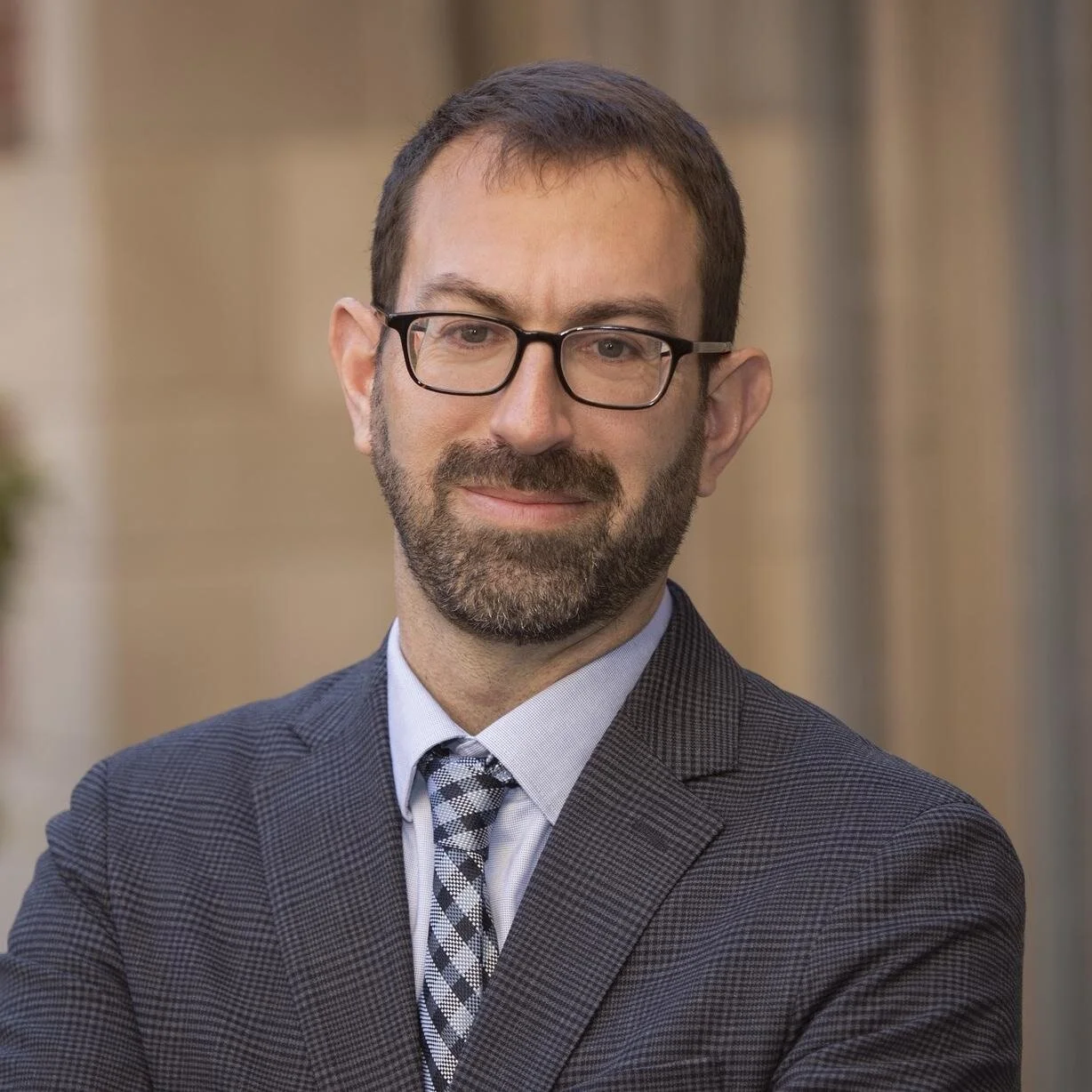
A recent Gallup survey found that from 2015 to 2024, American public confidence in higher education fell from 60% to 33%. The university’s cultural status and epistemic authority are in question—but not for the first time. Examining key episodes of pressure, renewal, and reform in the history of higher education can put contemporary debates about universities into historical perspective. Armed with some examples, we will probe the extent to which these histories can or should inform our policy choices today.
Benjamin Bernard ‘11 is a postdoctoral associate in the Department of History, Yale University.
The Polymath in the Age of AI
Paul Grimstad | 12–1.30pm, April 10
A polymath has attained mastery in across a wide range of domains. It might appear that in an information age and with higher education available to more people than ever before, this is an ideal that is more achievable than ever before. But as knowledge advances, mastery requires more specialization than ever before, making it harder to make significant contributions to a field without approaching it with single-minded dedication. As AI becomes an ever more prominent part of our lives, will this encourage polymathy or just lead us to outsource our thinking?
Paul Grimstad is a Senior Lecturer in the Humanities Program, Yale University.
Art and the Vocation of Caregiving
Catherine Ricketts | 12–1.30pm, March 27
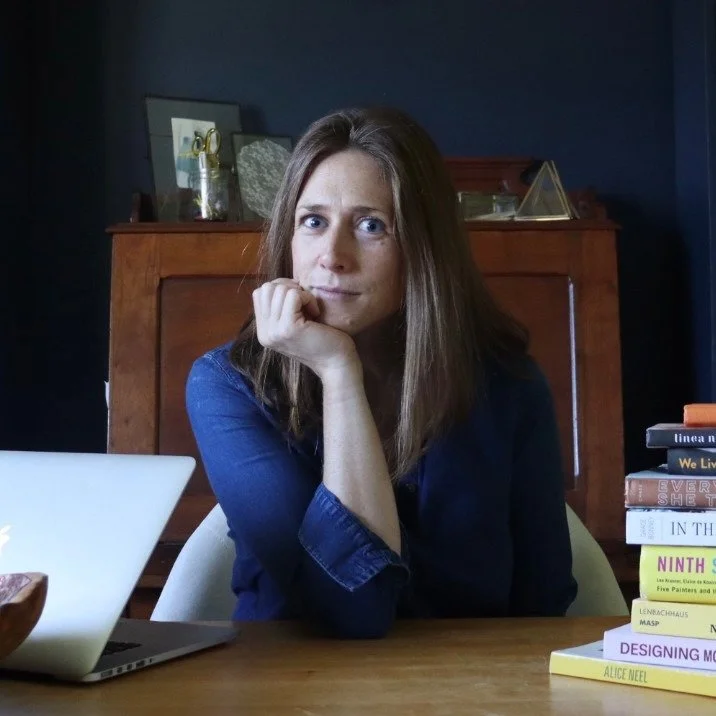
“To turn from everything to one face is to find oneself face to face with everything,” wrote the novelist Elizabeth Bowen. How does the often limiting work of caregiving open our eyes to the drama of the human condition and the dignity of the human person? Catherine Ricketts, author of The Mother Artist, discusses the ways motherhood changes the artistic vision of contemporary women artists and writers. She invites us to consider how caregiving—be it parenthood, professional care work, elder care, or the dozens of small gestures of care we share each day—might change the way we see and thus the culture we make.
Catherine Ricketts writes literary nonfiction and is a director in the Honors Program at Villanova University.
Gerontocracy in America
Samuel Moyn | 12–1.30pm, February 13
Do older Americans have a great deal power? If this is true, what, if anything, is wrong with it? The answers to these questions are “they do” and “a lot”—or so this presentation sampling a forthcoming book will argue. The age of politicians serving in different offices is just the tip of the iceberg of American gerontocracy, which revives a standard premodern form of rule in postmodern form, brought about as a byproduct of the extension of life.
Samuel Moyn is the Kent Professor of Law and History at Yale University.
The Student in Plato’s Socrates
Stephanie Almeida Nevin | 12–1.30pm, February 20
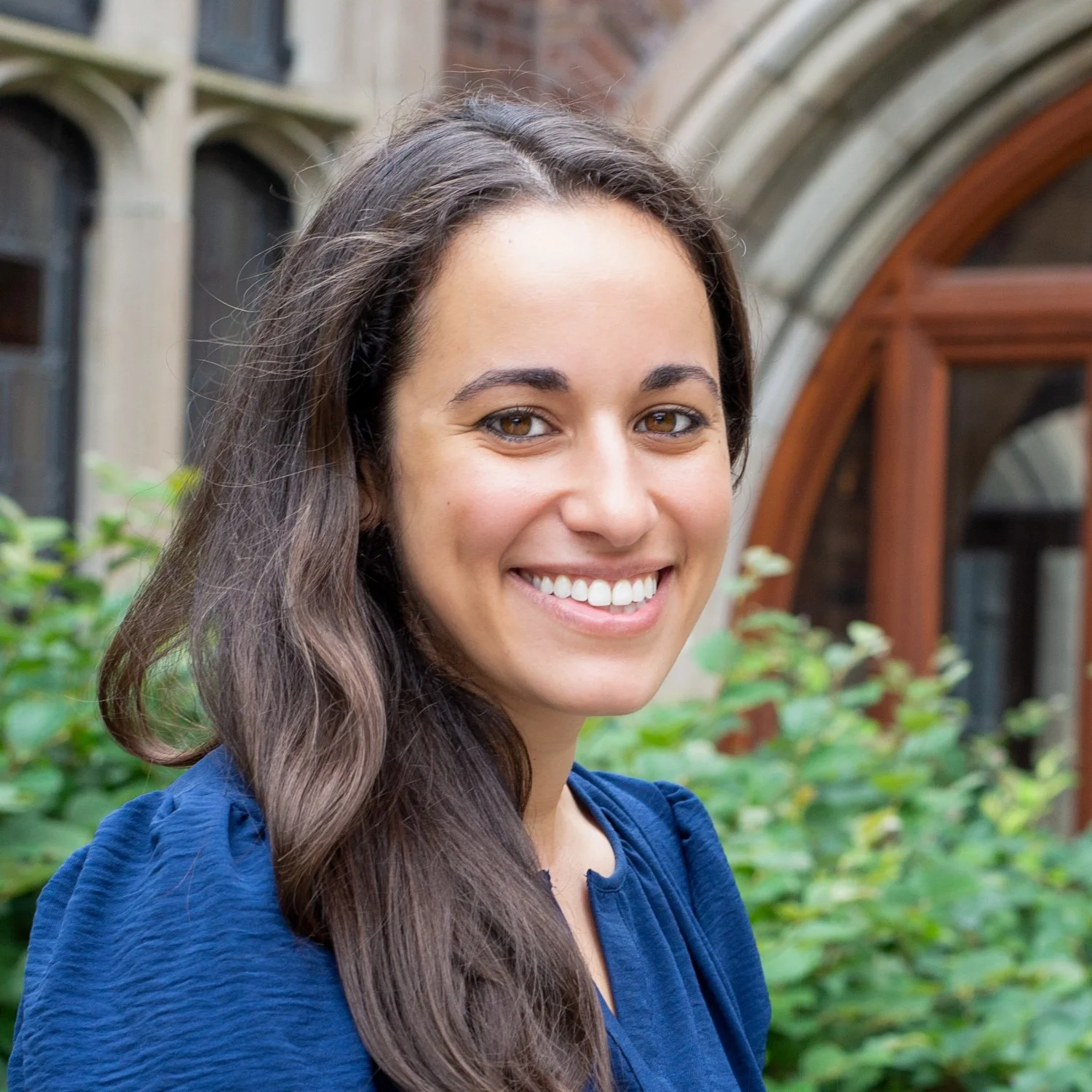
Socrates is almost always read as a teacher, and yet he famously denied being one. Taking this denial seriously invites a reconsideration of whether his activity is best understood as the instruction of others. What if Plato’s Socrates is read not as a model teacher of virtue, politics, citizenship, or even skepticism, but as a model student? Plato’s dialogues invite us to reflect on what it means to call someone a teacher or a student, the limits and responsibilities of each, and the role of humility in pedagogy.
Stephanie Almeida Nevin is the Executive Director of the Yale Center for Civic Thought and a Lecturer in Humanities.