
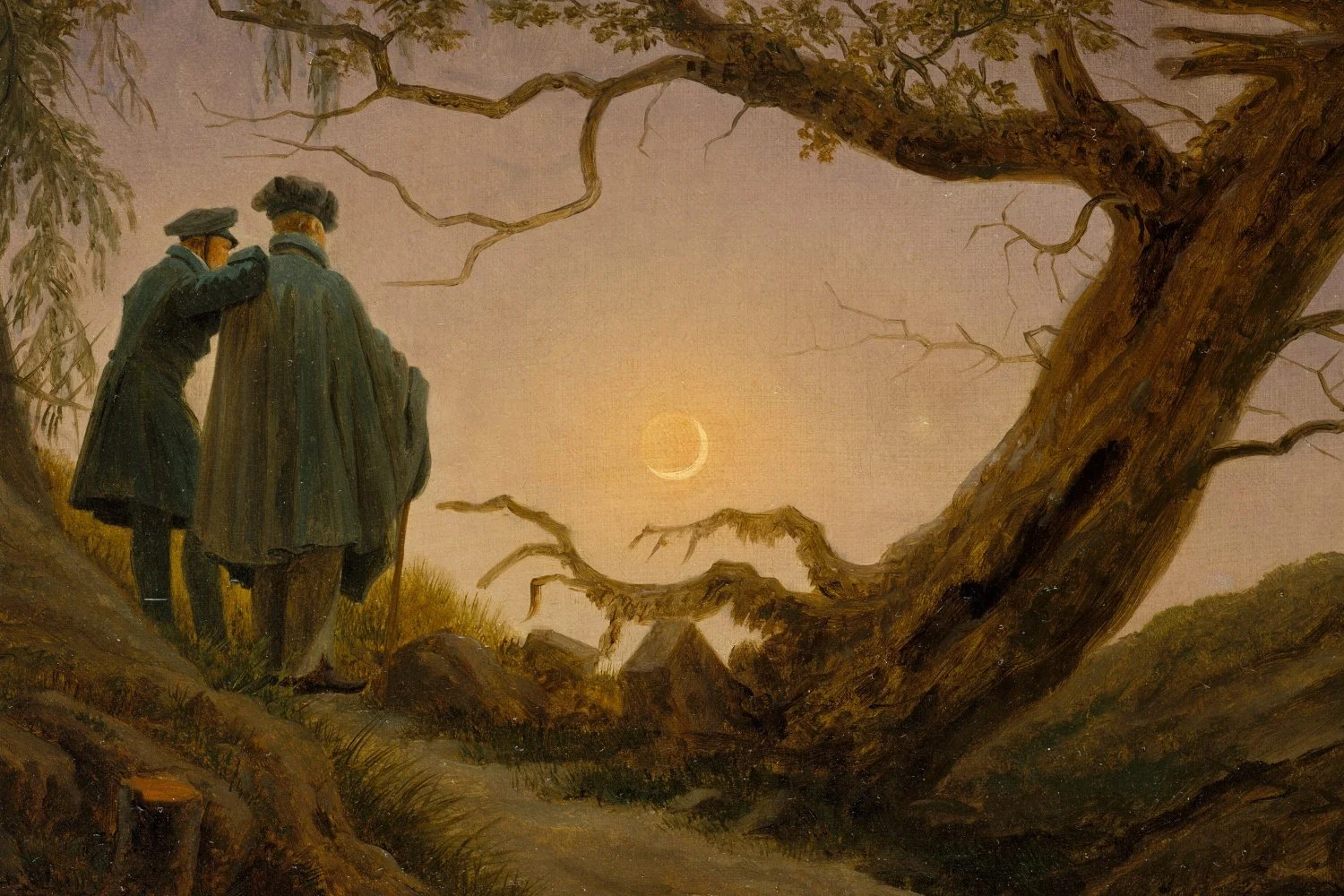
Philosophy of Everyday Life: Philosophy of Friendship
What is friendship and what makes it so important? What makes someone a good friend and what do we owe to our friends? What can we do to maintain strong friendships over the course of our lives?
This event is open to all members of the Yale community.
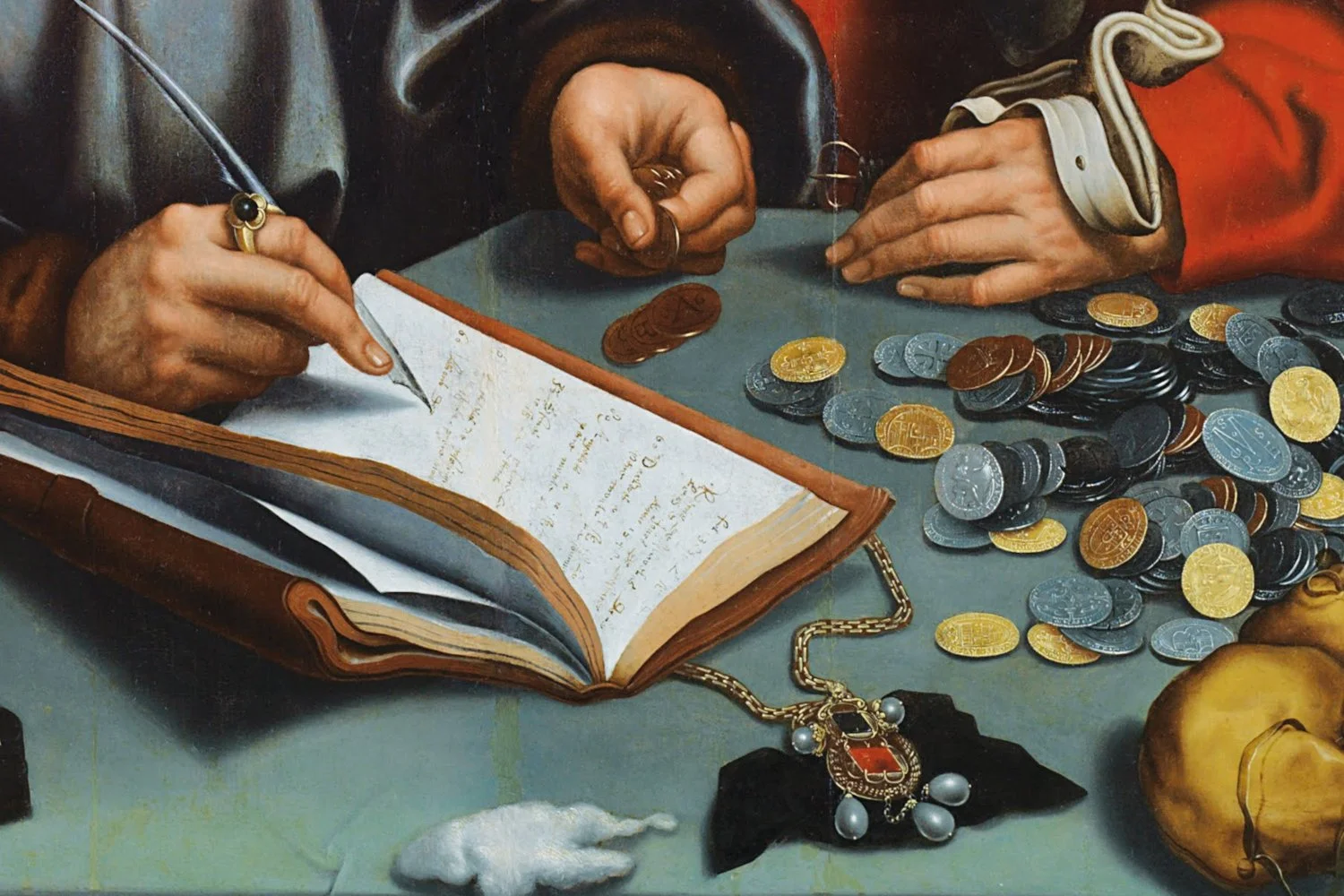
Philosophy of Everyday Life: Philosophy of Money
There are few areas of our lives where money does not play a role, and yet it can be a difficult topic to discuss frankly. Money can be desired for a variety of reasons: what distinguishes legitimate reasons for wanting money from greed and what does it mean to use money well?
This event is open to all members of the Yale community.
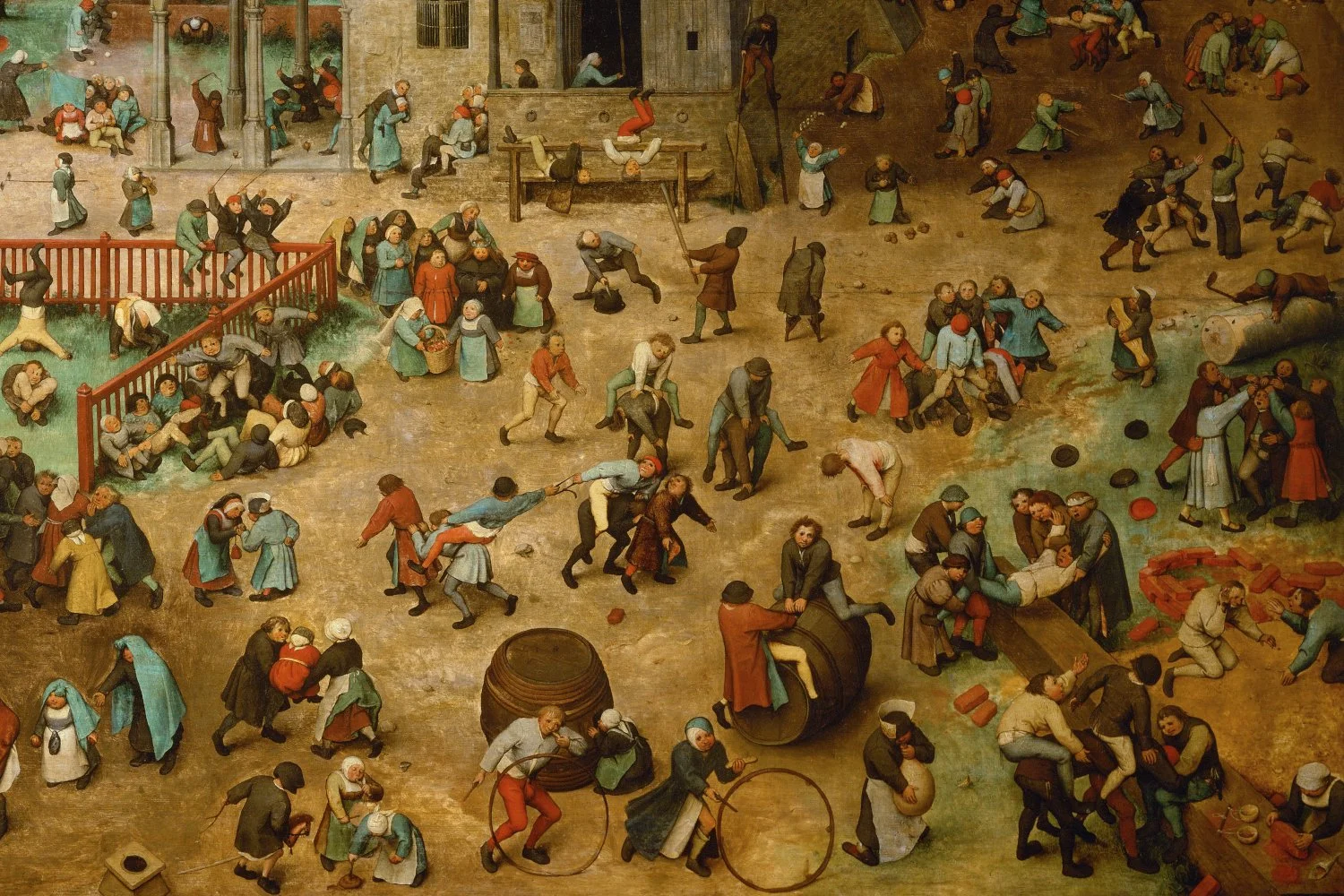
Philosophy of Everyday Life: Philosophy of Games
Games play a significant role in our lives, but they are often treated as too frivolous to be the object of philosophical reflection. What can we learn from games and how can we distinguish between games that are worthwhile and those that are a source of distraction and addiction? What are we to make of “gamification” — the trend to impose a game-like structure of many of our ordinary activities, from exercise to managing our finances?
This event is open to all members of the Yale community.
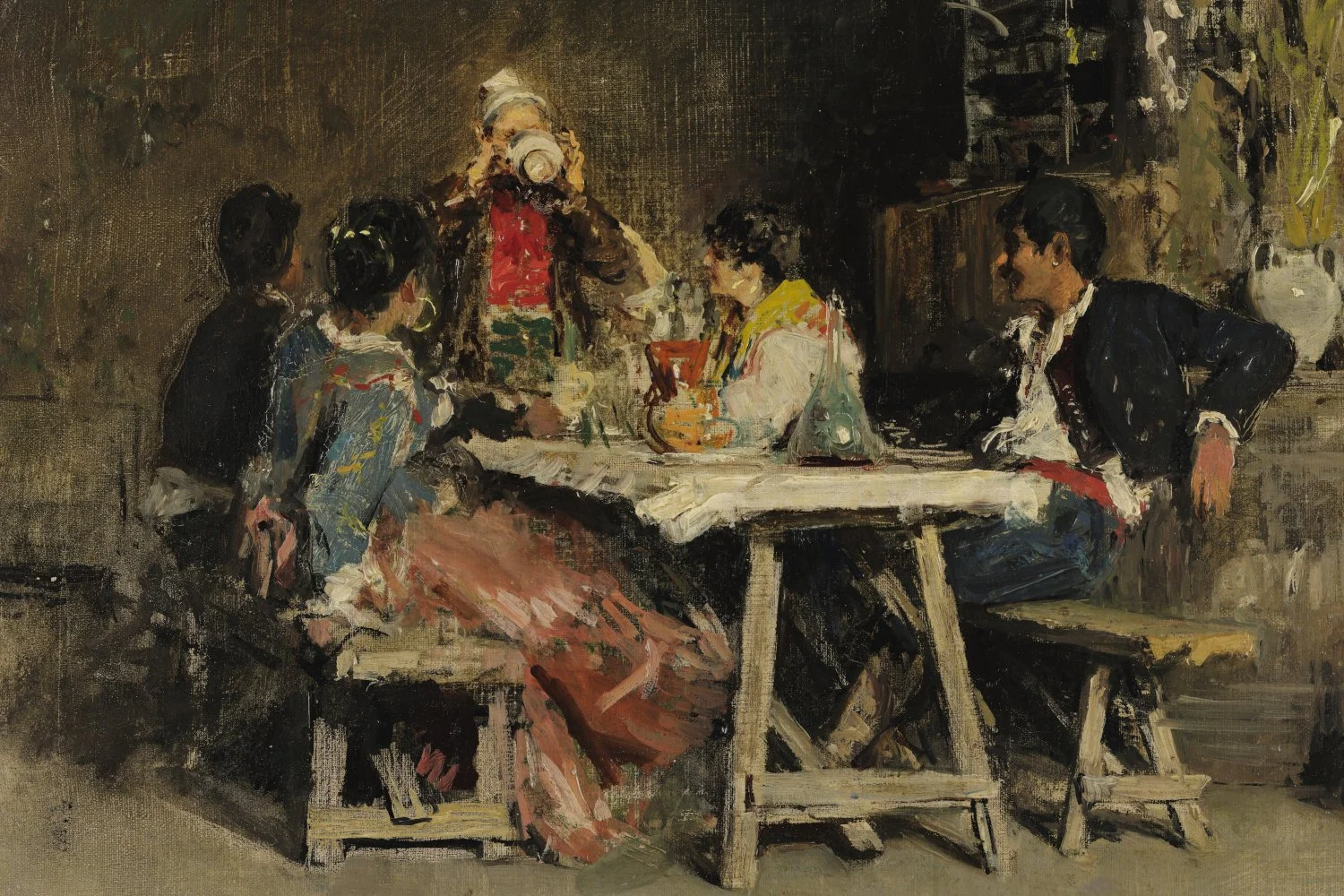
Philosophy of Everyday Life: Philosophy of Food & Drink
Our series of discussions about the philosophy of everyday life will begin with a meal and a discussion about meals. What role does the sharing of meals play in the building of community? What ethical considerations should influence our choices about what — and how — to eat? How can we preserve the importance of meals given the frantic pace of modern life, at college and after?
This event is open to all members of the Yale community.
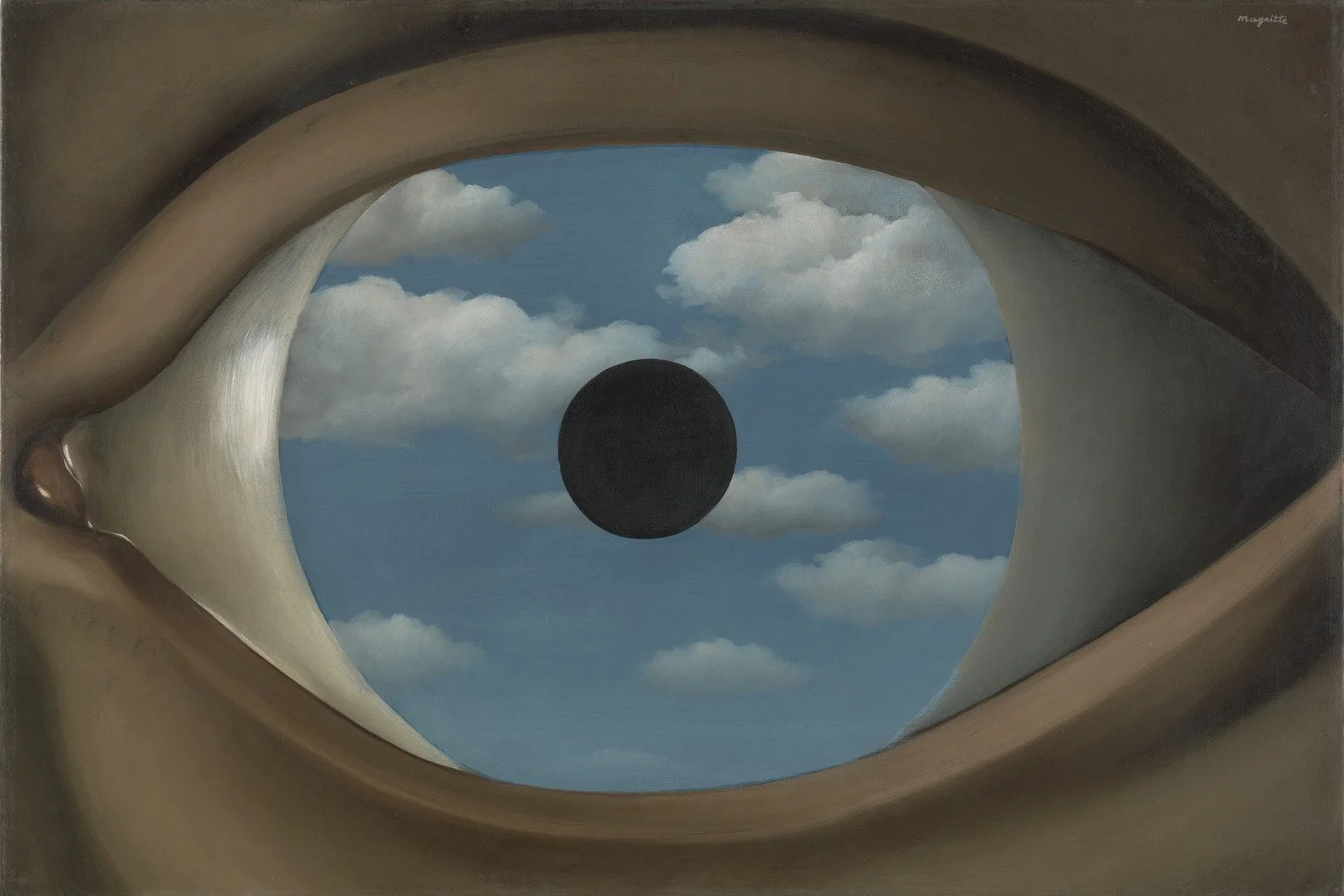
Summer Reading Group: Shannon Vallor’s The AI Mirror
Shannon Vallor’s The AI Mirror.
This event is open to all members of the Yale community.
Summer Reading Group: Leo Tolstoy’s What Is Art?
The second meeting of a three-part seminar exploring the career and legacy of the philosopher Alasdair MacIntyre, who died last year after a long and remarkable career. We will explore the reception of his work across a range of disciplines and consider what his most lasting impact on and beyond each of these fields. For the third meeting we will be joined by Professor Steven Smith to discuss MacIntyre’s impact on political theory.
This event is open to all members of the Yale community.
Summer Reading Group: C. Thi Nguyen’s The Score
A dinner discussion of C. Thi Nguyen’s recently published The Score (Penguin, 2026). Nguyen argues that one of the most insidious consequences of the pervasive metrics of modern life is that we will internalize them, replacing our own values with those of the systems we inhabit.
This event is open to all members of the Yale community.
Summer Reading Group: Jonathan Lear’s Radical Hope
Our summer reading group begins with a discussion of Radical Hope by Jonathan Lear. Combining philosophy and psychology, Lear explores the question of how we can live well in the face of the collapse of the cultural framework that imbues our actions with meaning.
This event is open to all members of the Yale community.
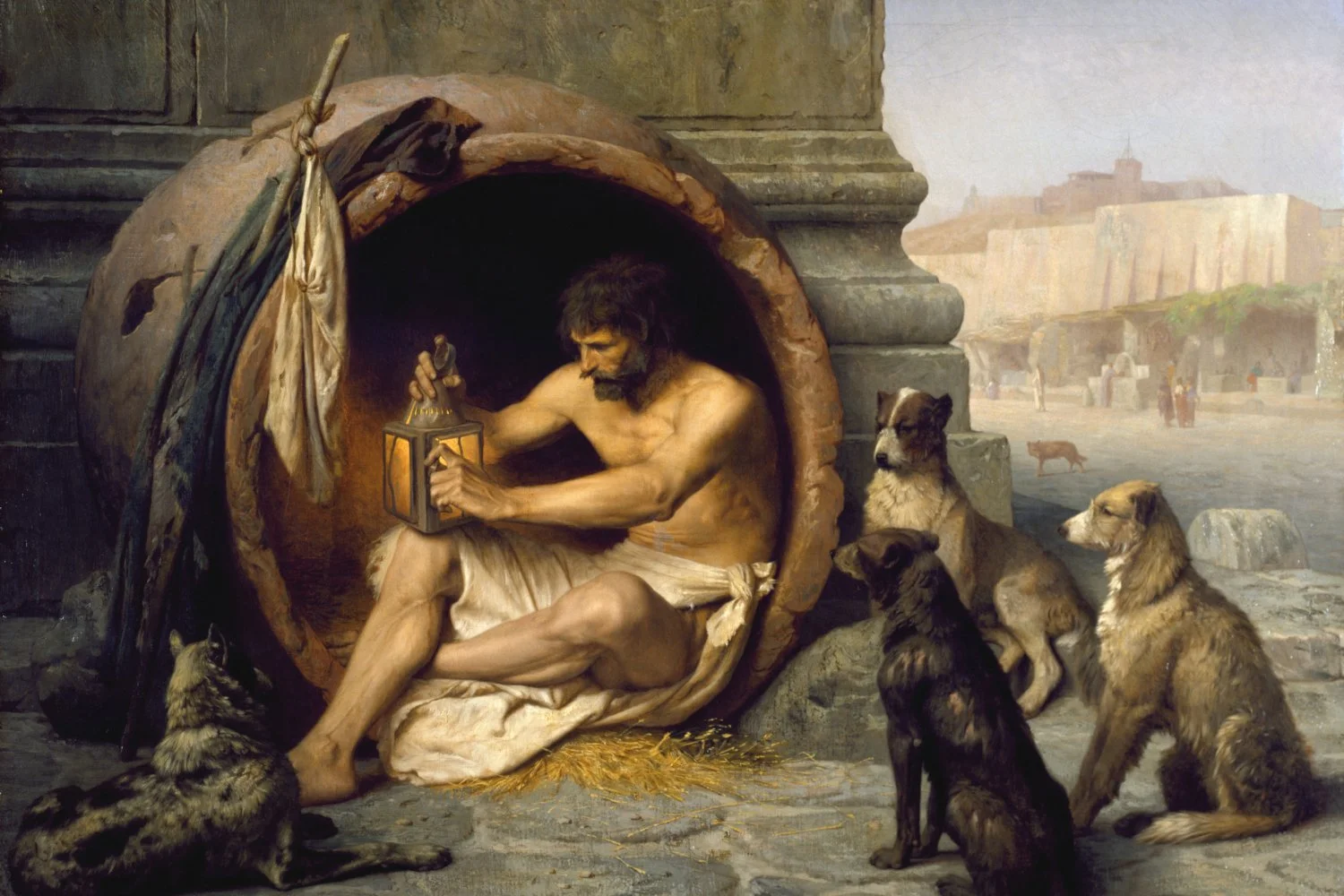
Philosophy of Everyday Life: Philosophy of Wisdom & Advice
What does it mean to be wise and how is wisdom acquired? Is it possible to recognize wisdom without being wise yourself? Can someone be wise about some things and foolish about others? What do we look for when we seek advice and how can be distinguish good advice from bad?
This event is open to all members of the Yale community.
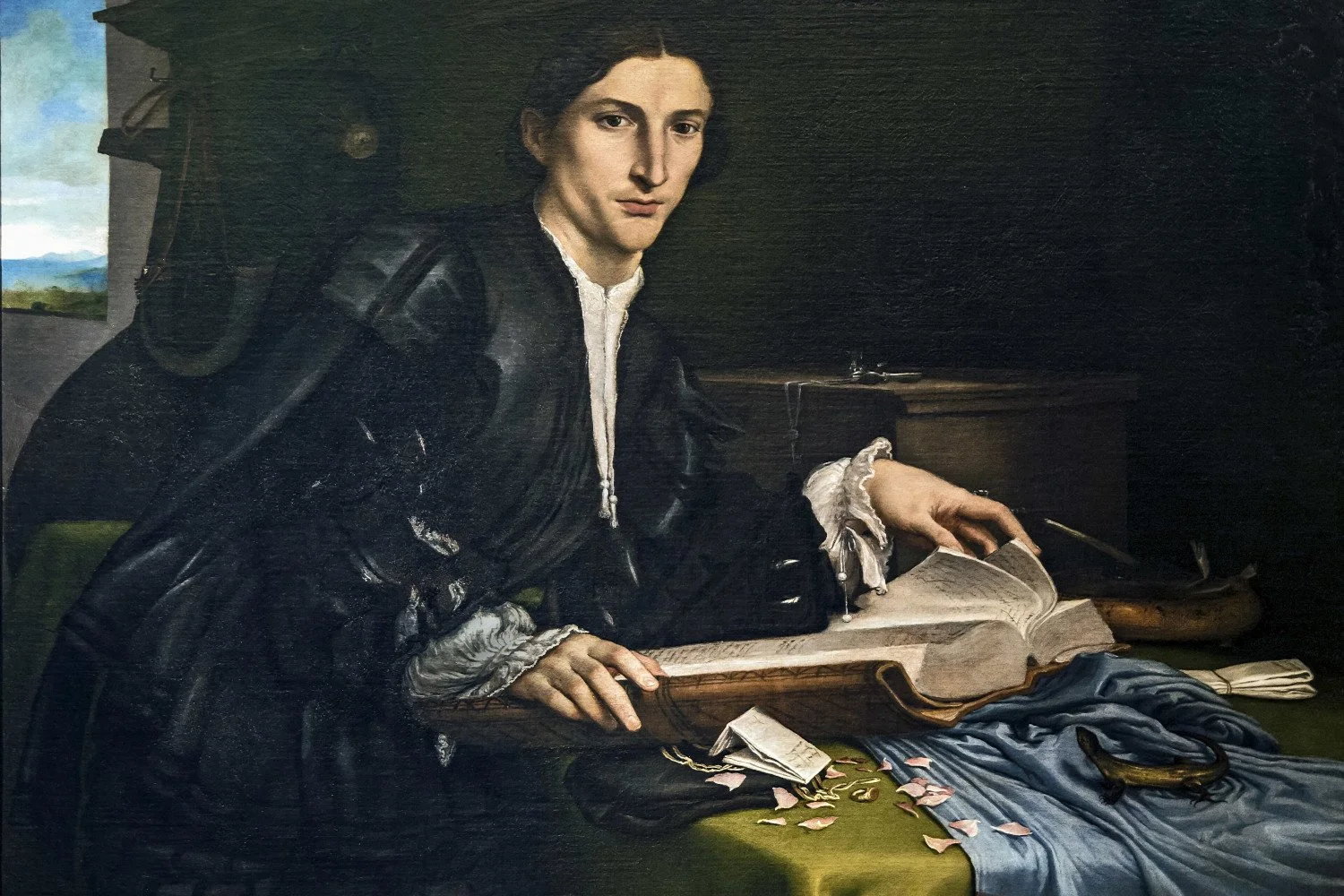
Polymathy in an Age of AI: A Conversation With Paul Grimstad
A polymath has attained mastery in across a wide range of domains. It might appear that in an information age and with higher education available to more people than ever before, this is an ideal that is more achievable than ever before. But as knowledge advances, mastery requires more specialization than ever before, making it harder to make significant contributions to a field without approaching it with single-minded dedication. As AI becomes an ever more prominent part of our lives, will this encourage polymathy or just lead us to outsource our thinking?
Paul Grimstad is Senior Lecturer in the Humanities Program, Yale University.
This event is open to all members of the Yale community. Lunch will be served.
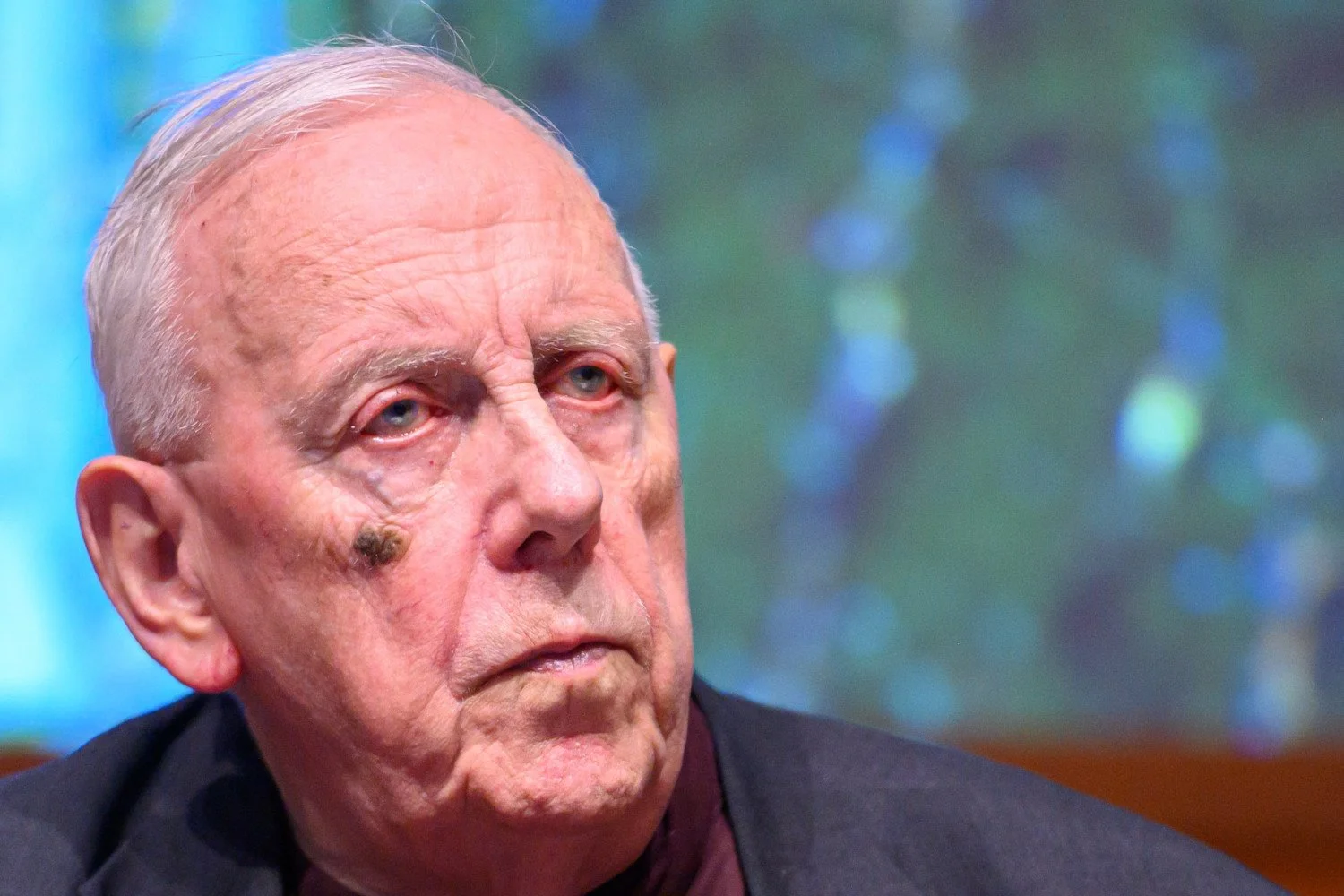
The Legacy of Alasdair MacIntyre: Politics
The second meeting of a three-part seminar exploring the career and legacy of the philosopher Alasdair MacIntyre, who died last year after a long and remarkable career. We will explore the reception of his work across a range of disciplines and consider what his most lasting impact on and beyond each of these fields. For the third meeting we will be joined by Professor Steven Smith to discuss MacIntyre’s impact on political theory.
This event is open to all members of the Yale community.
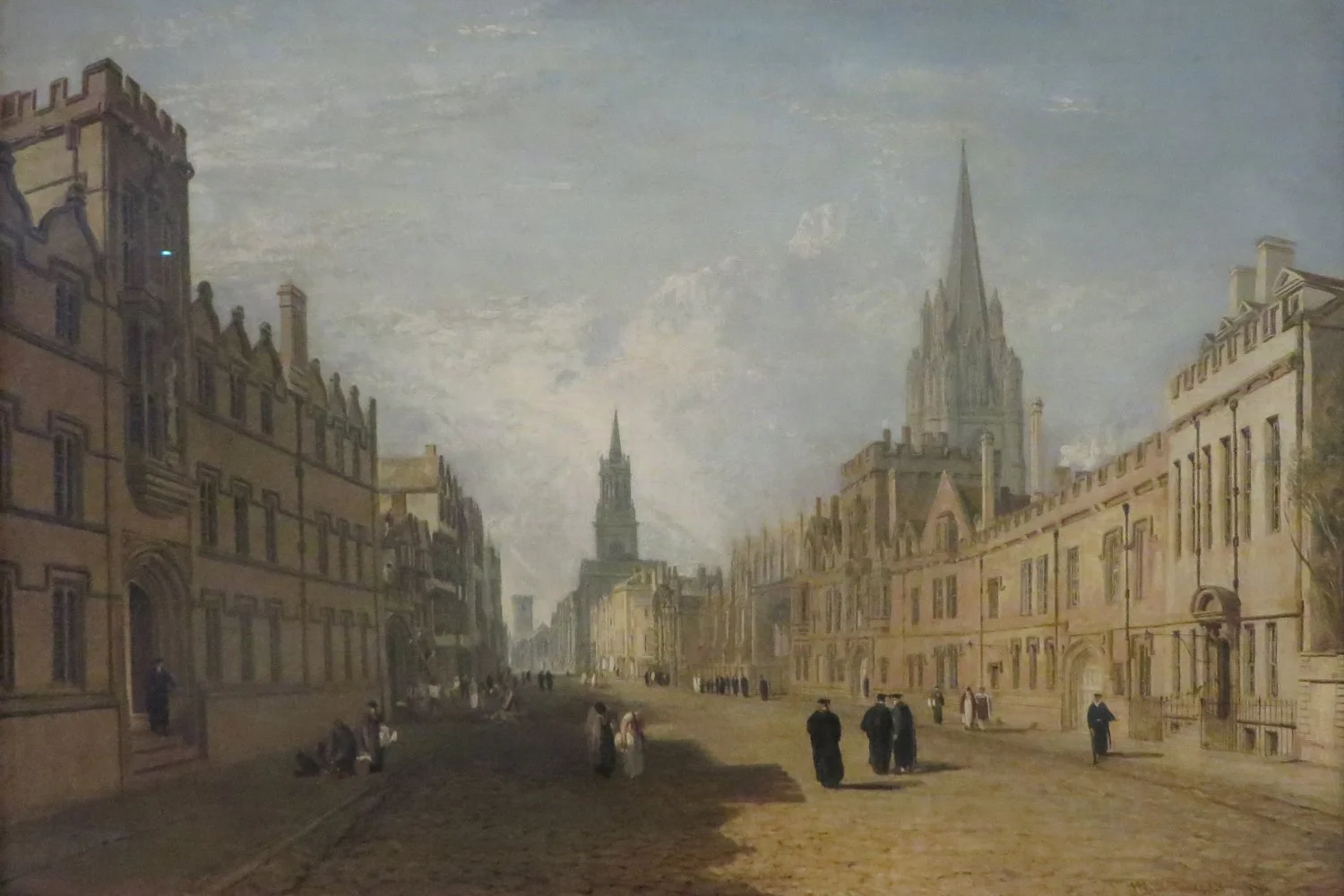
Trust in Universities: A Conversation With Benjamin Bernard
A recent Gallup survey found that from 2015 to 2024, American public confidence in higher education fell from 60% to 33%. The university’s cultural status and epistemic authority are in question—but not for the first time. Examining key episodes of pressure, renewal, and reform in the history of higher education can put contemporary debates about universities into historical perspective. Armed with some examples, we will probe the extent to which these histories can or should inform our policy choices today.
Benjamin Bernard ’11 is a postdoctoral associate in the Department of History, Yale University.
This event is open to all members of the Yale community. Lunch will be served.
The Legacy of Alasdair MacIntyre: Theology and Religious Studies
The second meeting of a three-part seminar exploring the career and legacy of the philosopher Alasdair MacIntyre, who died last year after a long and remarkable career. We will explore the reception of his work across a range of disciplines and consider what his most lasting impact on and beyond each of these fields. For the second meeting we will be joined by Professor Jennifer Herdt (Yale Divinity School) to discuss MacIntyre’s impact on theology and religious studies.
This event is open to all members of the Yale community.
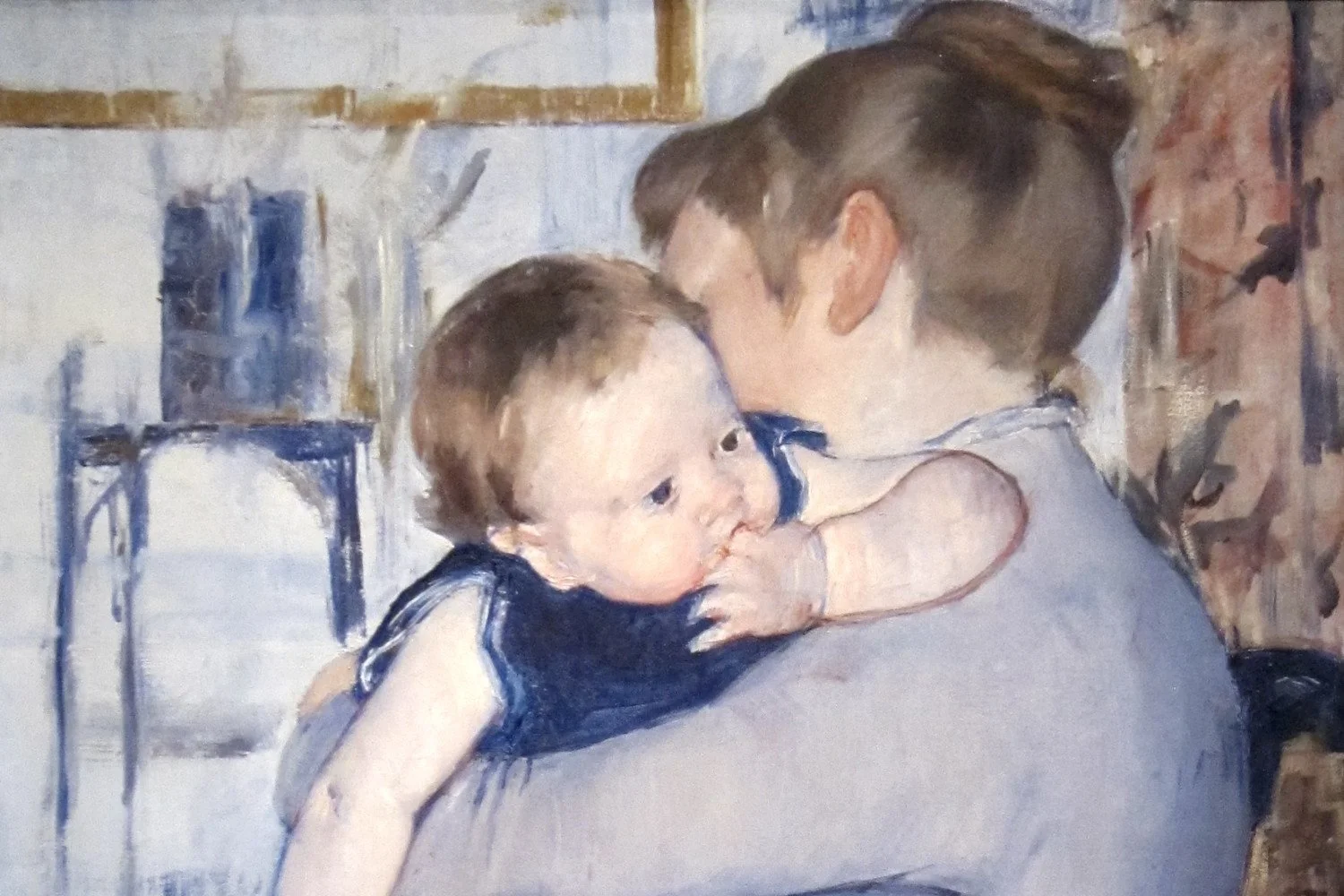
Art and the Vocation of Caregiving: A Conversation With Catherine Ricketts
“To turn from everything to one face is to find oneself face to face with everything,” wrote the novelist Elizabeth Bowen. How does the often limiting work of caregiving open our eyes to the drama of the human condition and the dignity of the human person? Catherine Ricketts, author of The Mother Artist, discusses the ways motherhood changes the artistic vision of contemporary women artists and writers. She invites us to consider how caregiving—be it parenthood, professional care work, elder care, or the dozens of small gestures of care we share each day—might change the way we see and thus the culture we make.
Catherine Ricketts is Director of Operations for Villanova’s Honors Program and author of The Mother Artist.
This event is open to all members of the Yale community. Lunch will be served.
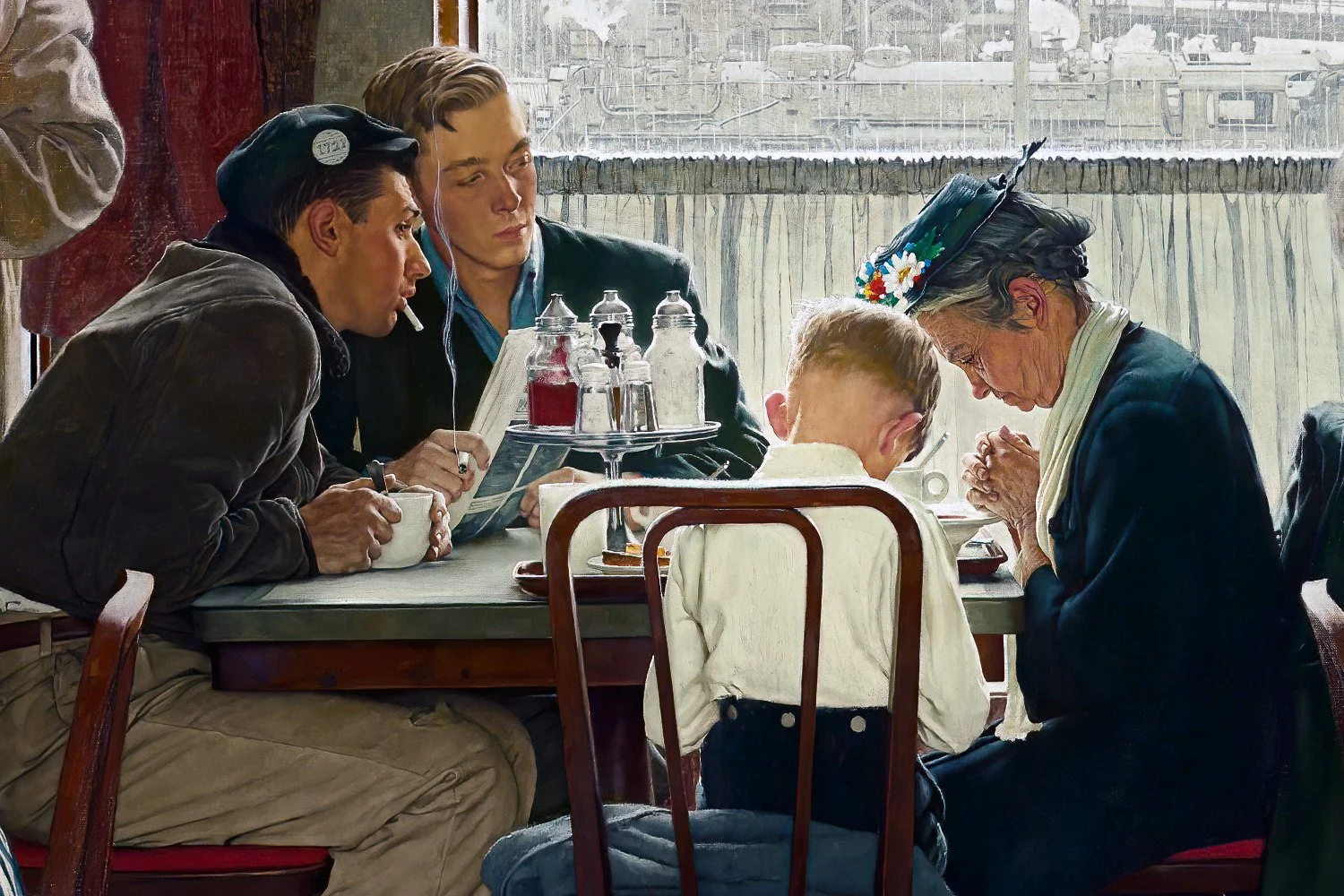
Philosophy of Everyday Life: Philosophy of Ritual and Routine
From day-to-day routines to rites of passage marking significant transitions in our lives, rituals both give structure our lives and connect us with others. And yet we also recognize routine as a source of danger—a way of living in which we are “going through the motions” without a sense of presence and agency. Is it possible to get the benefits of rituals and routines without succumbing to the hollowness of a routine existence?
This event is open to all members of the Yale community.
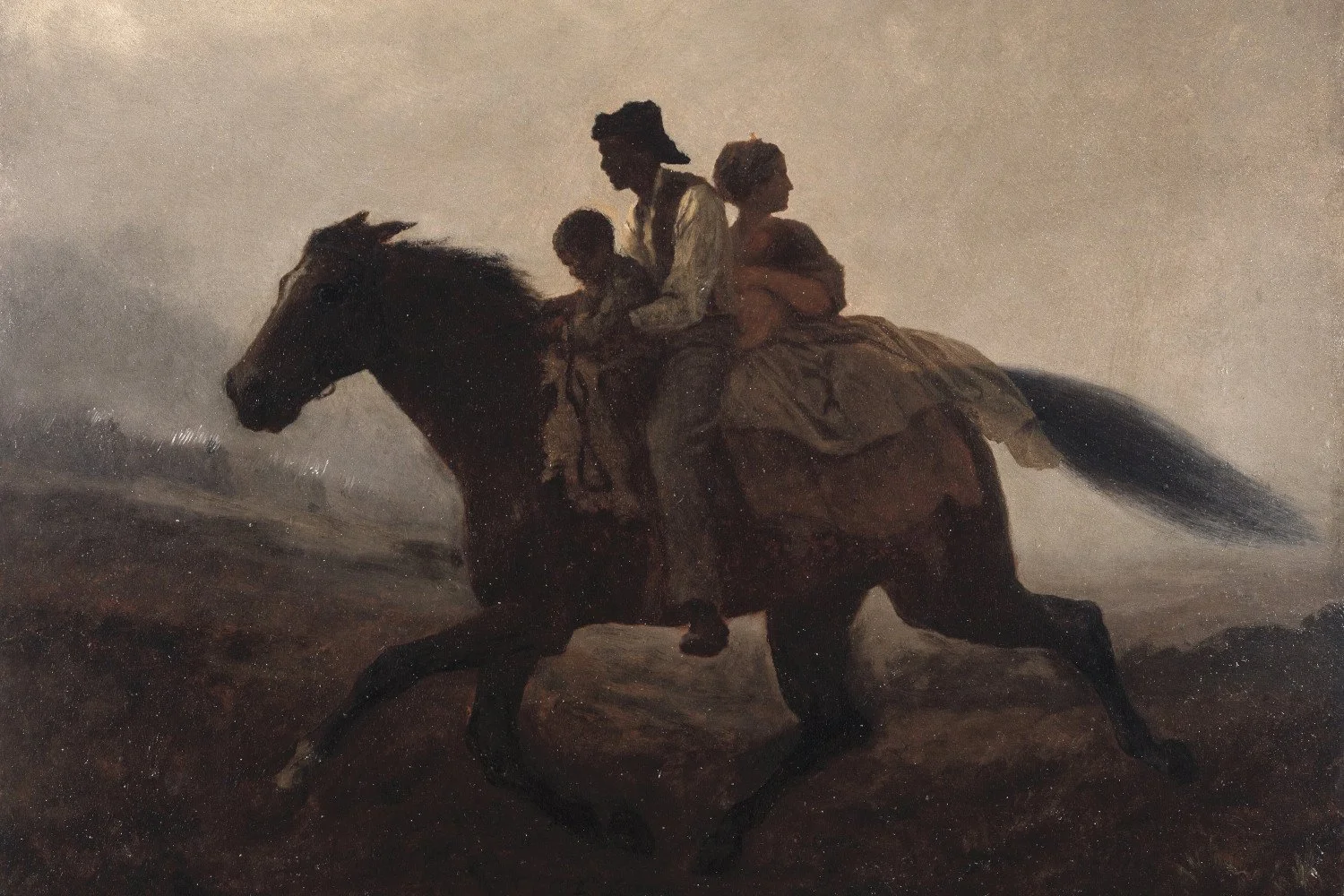
Liberty in American Thought (Fifth Meeting)
Is there a central concept of freedom that marks American political thought, or are there many? Are appeals to freedom philosophically interesting or mere rhetoric? This reading group will examine influential debates about the nature of freedom in American political thought. We will read selections from the American colonial period through to more recent debates on the relationship between economic and political liberty, David Walker, Susan B. Anthony, Elizabeth Cady Stanton, Milton Friedman, Eugene Debs, and others.
This event is open to all members of the Yale community.
The Legacy of Alasdair MacIntyre: Philosophy
The first meeting of a three-part seminar exploring the career and legacy of the philosopher Alasdair MacIntyre, who died last year after a long and remarkable career. We will explore the reception of his work across a range of disciplines (philosophy, political theory, religious studies and theology) and consider what his most lasting impact on and beyond each of these fields. The first meeting will focus on MacIntyre’s legacy in academic philosophy.
This event is open to all members of the Yale community.
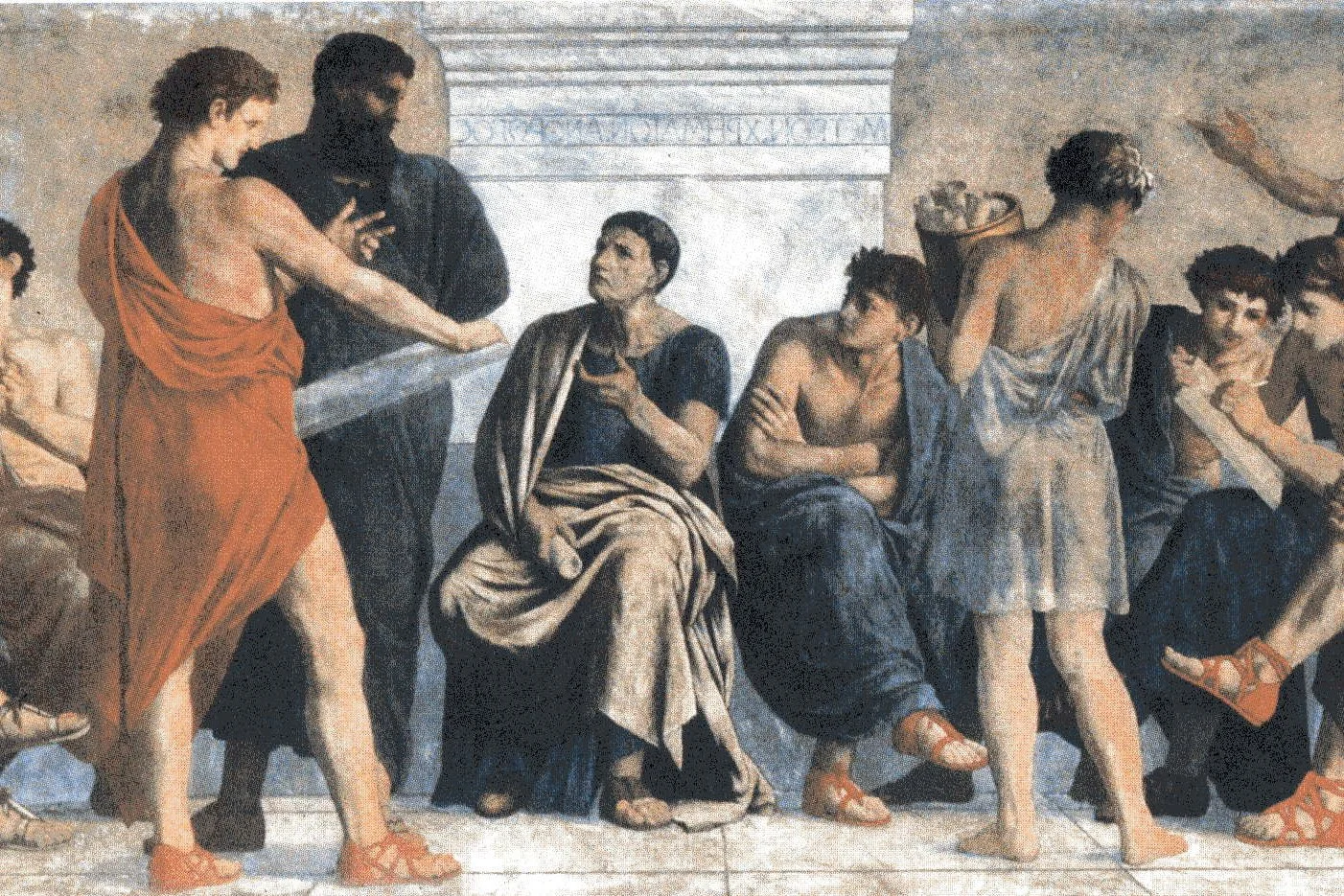
The Student in Plato’s Socrates: A Conversation With Stephanie Almeida Nevin
Socrates is almost always read as a teacher, and yet he famously denied being one. Taking this denial seriously invites a reconsideration of whether his activity is best understood as the instruction of others. What if Plato’s Socrates is read not as a model teacher of virtue, politics, citizenship, or even skepticism, but as a model student? Plato’s dialogues invite us to reflect on what it means to call someone a teacher or a student, the limits and responsibilities of each, and the role of humility in pedagogy.
Stephanie Almeida Nevin is the Executive Director of the Yale Center for Civic Thought and a Lecturer in Humanities.
This event is open to all members of the Yale community. Lunch will be served.
Liberty in American Thought (Fourth Meeting)
Is there a central concept of freedom that marks American political thought, or are there many? Are appeals to freedom philosophically interesting or mere rhetoric? This reading group will examine influential debates about the nature of freedom in American political thought. We will read selections from the American colonial period through to more recent debates on the relationship between economic and political liberty, David Walker, Susan B. Anthony, Elizabeth Cady Stanton, Milton Friedman, Eugene Debs, and others.
This event is open to all members of the Yale community.
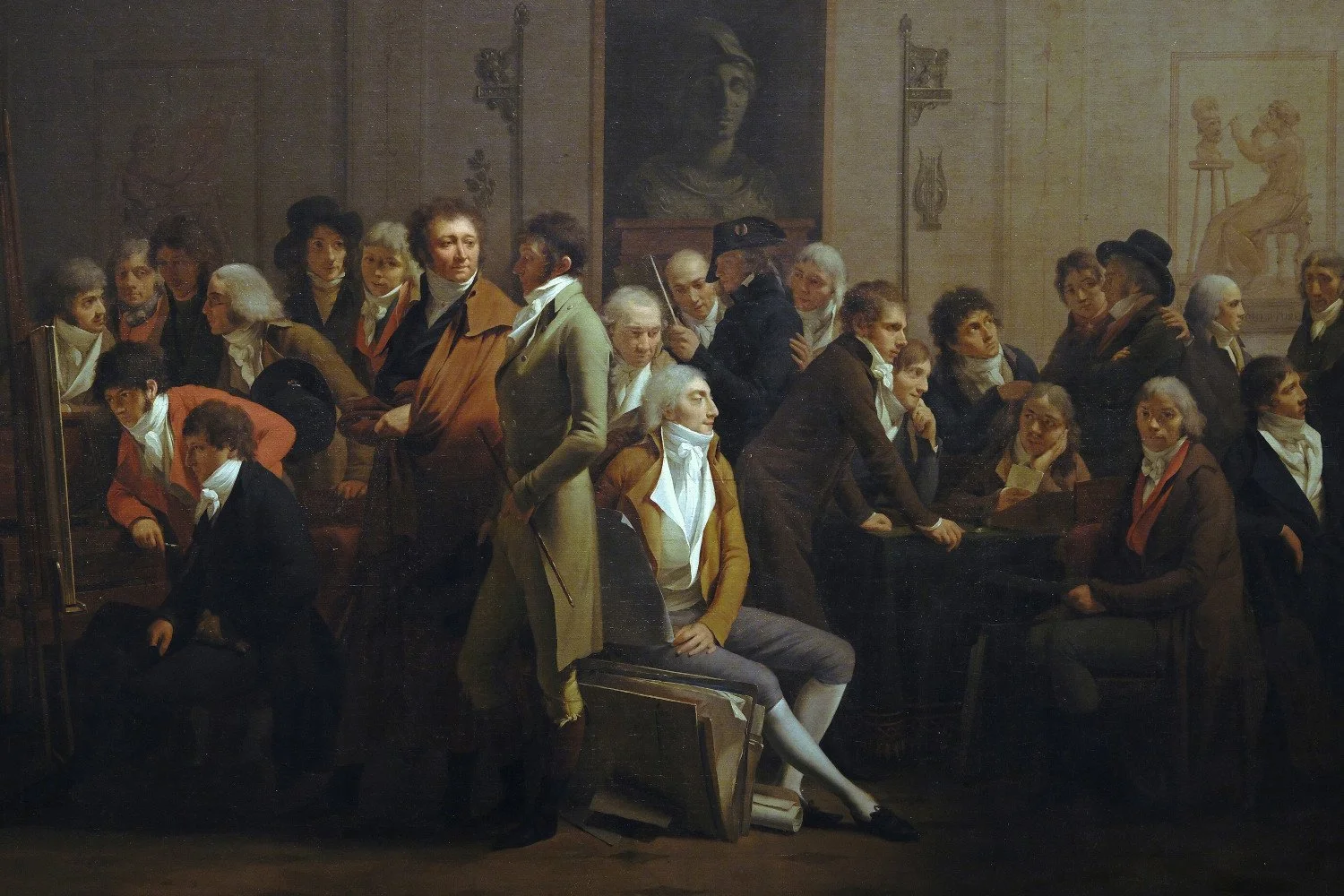
Philosophy of Everyday Life: Philosophy of Clubs & Voluntary Associations
Voluntary associations of all kinds play a significant role in many people’s lives and there is a long tradition in American thought of seeing participation in them as cultivating civic mindedness and social cohesion—and of seeing the decline in participation in such ordinary groups as bowling leagues as an indicator of social isolation. What can be done to foster voluntary associations that contribute to the common good. How can we decide what clubs to join? Is it hypocritical to be concerned about social exclusion while joining an exclusive club?
This event is open to all members of the Yale community.
Liberty in American Thought (Third Meeting)
Is there a central concept of freedom that marks American political thought, or are there many? Are appeals to freedom philosophically interesting or mere rhetoric? This reading group will examine influential debates about the nature of freedom in American political thought. We will read selections from the American colonial period through to more recent debates on the relationship between economic and political liberty, David Walker, Susan B. Anthony, Elizabeth Cady Stanton, Milton Friedman, Eugene Debs, and others.
This event is open to all members of the Yale community.
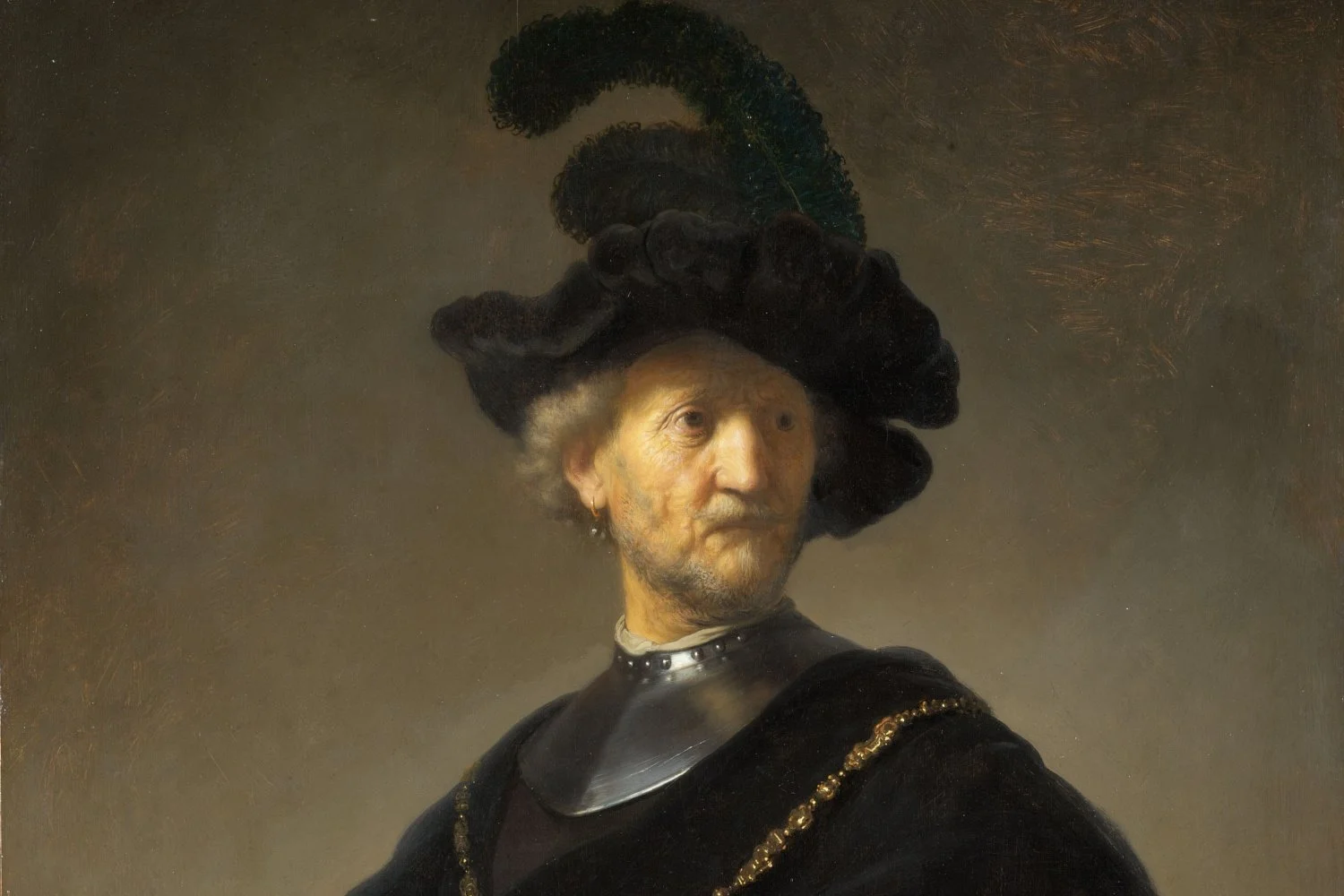
Gerontocracy in America: A Conversation With Samuel Moyn
Do older Americans have a great deal power? If this is true, what, if anything, is wrong with it? The answers to these questions are “they do” and “a lot”—or so this presentation sampling a forthcoming book will argue. The age of politicians serving in different offices is just the tip of the iceberg of American gerontocracy, which revives a standard premodern form of rule in postmodern form, brought about as a byproduct of the extension of life.
Samuel Moyn is the Kent Professor of Law and History at Yale University.
Liberty in American Thought (Second Meeting)
Is there a central concept of freedom that marks American political thought, or are there many? Are appeals to freedom philosophically interesting or mere rhetoric? This reading group will examine influential debates about the nature of freedom in American political thought. We will read selections from the American colonial period through to more recent debates on the relationship between economic and political liberty, David Walker, Susan B. Anthony, Elizabeth Cady Stanton, Milton Friedman, Eugene Debs, and others.
This event is open to all members of the Yale community.
Eva Brann's Liberal Learning: A Conversation With Daniel Schillinger
Eva Brann was a supremely thoughtful defender and practitioner of liberal learning. She not only served as a tutor at St. John's College, Annapolis for over six decades, during which time she shaped the institution, but she also reflected, repeatedly, on her own activities as an inquirer. Her essay, "The American College as the Place for Liberal Learning," is one such reflection. Questions raised by Brann include: What is the spirit of liberal learning, and what is its proper end? How can colleges resist illiberal demands for utility, relevance, specialization, or professionalization? Why does liberal learning happen in certain places—the seminar room and the small college? Altogether, how should lovers of liberal learning think and speak about what they do?
Daniel Schillinger is a Lecturer in Political Science at Yale University.
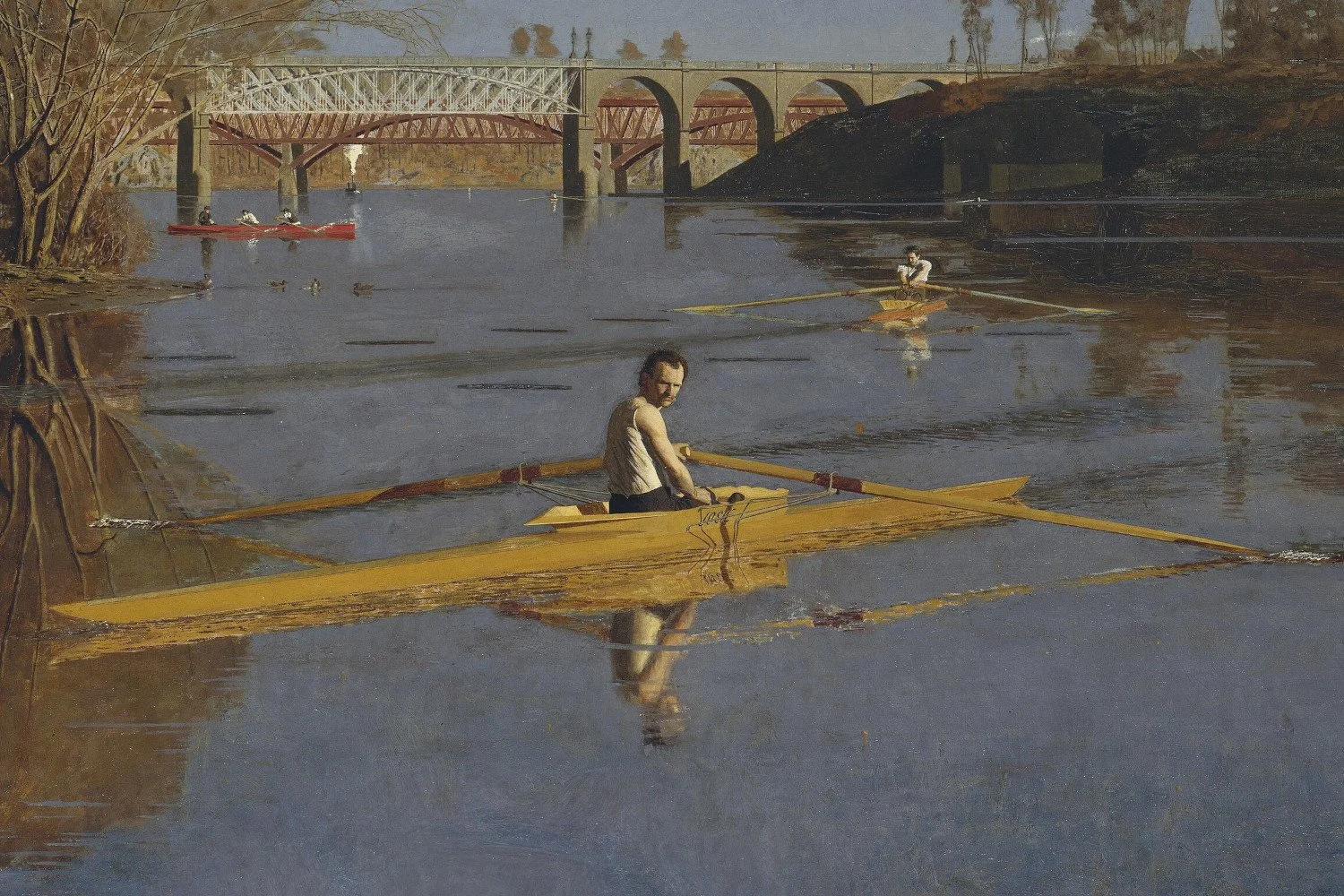
Philosophy of Everyday Life: Philosophy of Sports & Athletics
Does sport cultivate good values and build character? Why are accomplished athletes among the most celebrated heroes of contemporary culture? Should performance enhancing drugs be allowed in professional sports? What are the benefits and dangers of the prominent role that sports play in the life of schools and colleges?
This event is open to all members of the Yale community.
Liberty in American Thought
Is there a central concept of freedom that marks American political thought, or are there many? Are appeals to freedom philosophically interesting or mere rhetoric? This reading group will examine influential debates about the nature of freedom in American political thought. We will read selections from the American colonial period through to more recent debates on the relationship between economic and political liberty, David Walker, Susan B. Anthony, Elizabeth Cady Stanton, Milton Friedman, Eugene Debs, and others.
This event is open to all members of the Yale community.
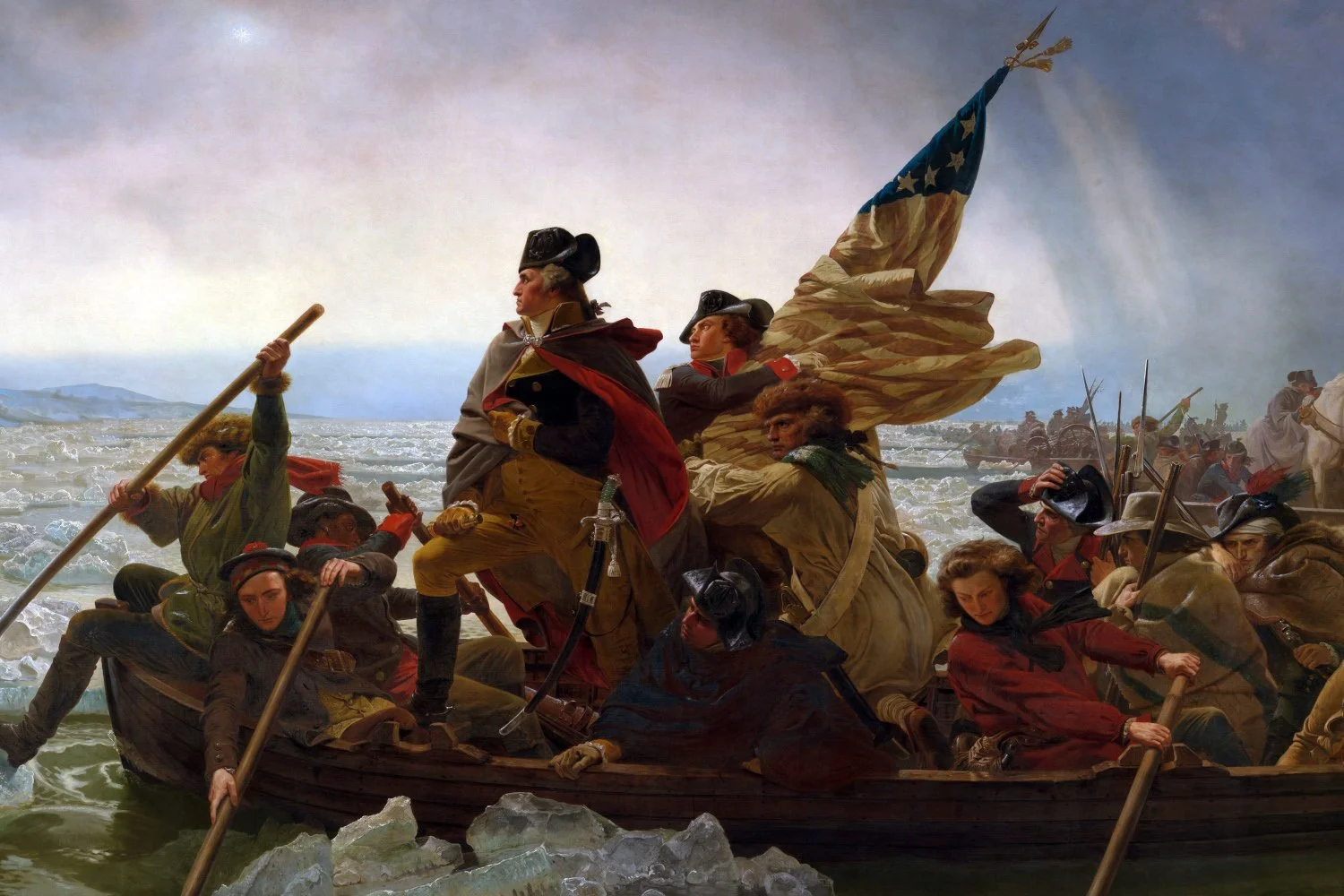
Begin the World Over Again: The Ethics of Revolution
A half-day seminar exploring the ethics of revolution, examining the thinkers who influenced debates about the legitimacy of revolution at the time of the Declaration of Independence as well as present-day philosophical work on the ethics of revolutionary action. Readings include selections from Aquinas, Hobbes, Locke, Hannah Arendt and Allen Buchanan. Led by Peter Wicks.
This event is open to all members of the Yale community.
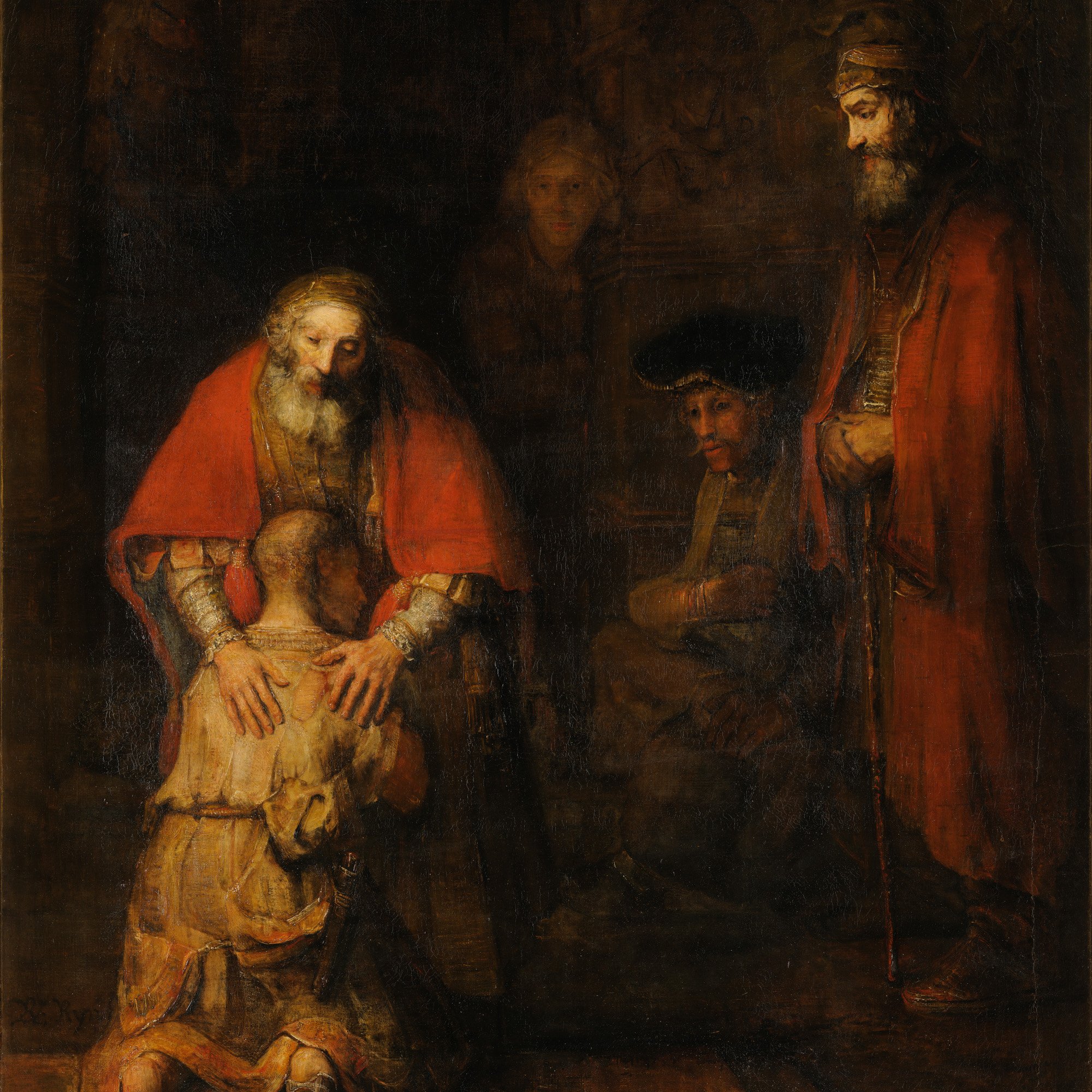
The Philosophy and Politics of Forgiveness (Fifth Meeting)
The giving and receiving of forgiveness is one response to the pervasiveness of wrongdoing and guilt in the world. But what is forgiveness? Is it compatible with punishment, retribution, restitution, or none of these? Can forgiveness be requested or received at the collective level of an ethic group or a nation state, or must all practices of forgiveness be strictly interpersonal? This reading group will focus on the philosophy and politics of forgiveness through the works of Seneca, Martha Nussbaum, Jacques Derrida, Desmond Tutu, and others.
This reading group is open to graduate students in any discipline. For more information or to sign up click here.

William James's Living Thought
William James’s career was a quest for intellectual vitality in the face of the deadening asceticism of academic philosophy and psychology. This pursuit of living thought connects apparently disparate elements of James’s work: his theory of the will as receptivity, his conception of faith as mental risk, and his late practice of exemplification over sequential argument. It also offers a much-needed tonic for the malaise of contemporary humanistic scholarship.
Benjamin Barasch is Postdoctoral Associate and Lecturer in the Humanities Program at Yale University.
To RSVP for this event click here.
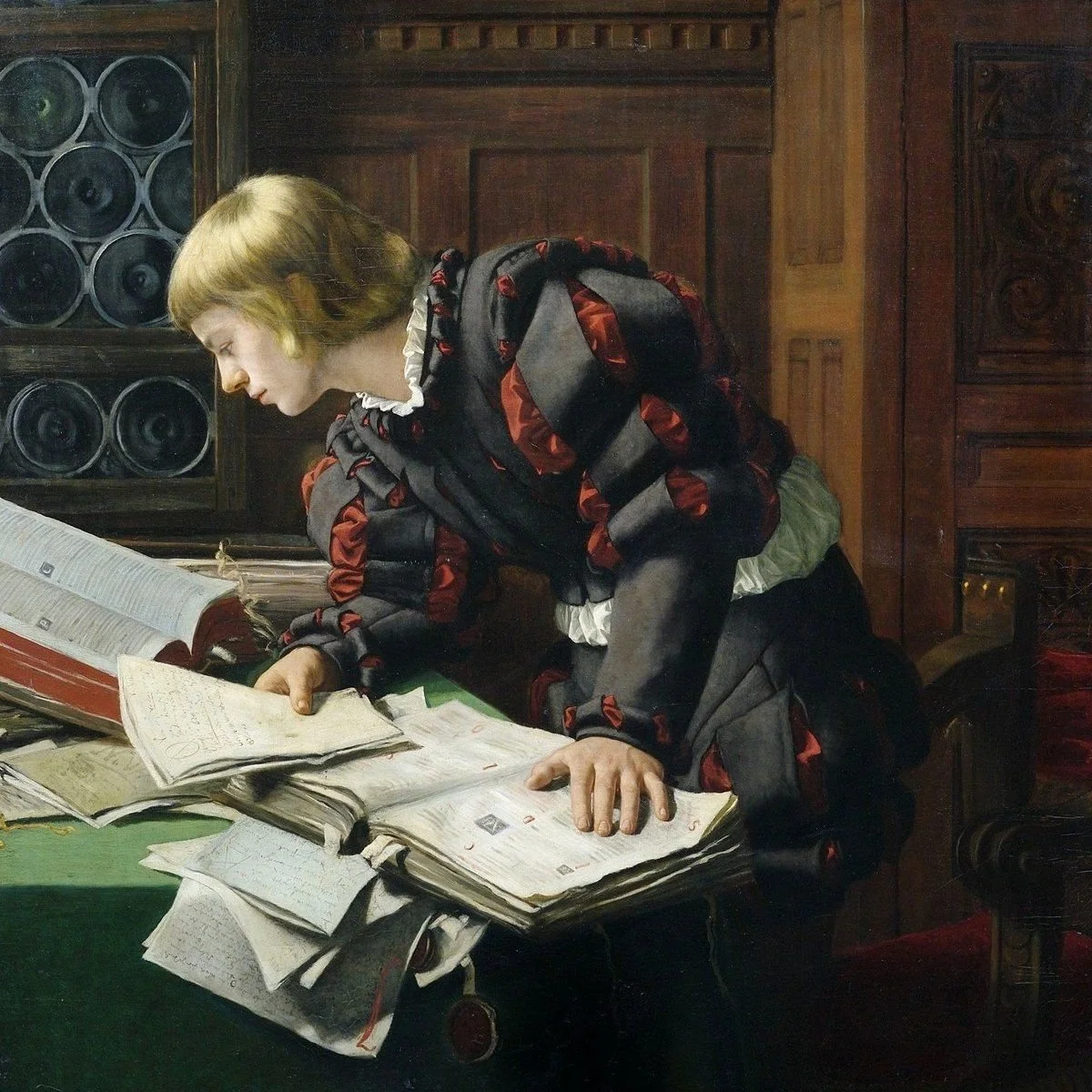
The Aims of Education (Eighth Meeting)
Our series of luncheon discussions about the place of liberal learning in the contemporary world concludes with a discussion of ”Education and the Style of Our Lives” by Henry Bugbee.
This luncheon discussion group is open to all Yale students. To RSVP for the meeting click here.

Frederick Douglass and the Idea of Civil Society
Frederick Douglass has been characterized as a proponent of both individualism and government intervention. But what was his conception of civil society? How did he understand the important function of voluntary associations and intermediary institutions in providing Americans, both black and white, with a sense of meaning, belonging, and purpose? And what can his insights teach us today about the role of civil society in an age of political polarization and social fragmentation?
Gregory Collins is Lecturer in the Department of Political Science and Program on Ethics, Politics, and Economics at Yale University.
To RSVP for this event click here.
The Philosophy and Politics of Forgiveness (Fourth Meeting)
The giving and receiving of forgiveness is one response to the pervasiveness of wrongdoing and guilt in the world. But what is forgiveness? Is it compatible with punishment, retribution, restitution, or none of these? Can forgiveness be requested or received at the collective level of an ethic group or a nation state, or must all practices of forgiveness be strictly interpersonal? This reading group will focus on the philosophy and politics of forgiveness through the works of Seneca, Martha Nussbaum, Jacques Derrida, Desmond Tutu, and others.
This reading group is open to graduate students in any discipline. For more information or to sign up click here.